Preparing Enterprise Automation for AI Adoption

Artificial Intelligence (AI) has rapidly moved from experimentation to enterprise-wide adoption. Across industries, executive leadership teams are investing in AI initiatives to improve decision-making, automate operations, enhance customer experiences, and unlock new revenue opportunities.
However, many organizations underestimate a critical success factor for AI adoption — enterprise automation.
AI systems do not operate in isolation. They depend heavily on reliable workflows, data pipelines, infrastructure coordination, and operational execution. Without modern automation foundations, even the most advanced AI initiatives struggle to move beyond pilot stages.
Preparing enterprise automation environments has therefore become a prerequisite for successful AI transformation.
The Growing Enterprise Push Toward AI
Boards and executive teams increasingly view AI as essential for competitive advantage. Enterprises are adopting AI for:
- Predictive analytics
- Intelligent customer engagement
- Fraud detection
- Supply chain optimization
- Operational forecasting
- Automated decision-making
Despite significant investments, many AI programs fail to scale into production environments.
The primary reason is not algorithm performance — it is operational readiness.
AI requires automation maturity to function effectively at enterprise scale.
Why AI Depends on Enterprise Automation
AI workflows involve far more than model training. Successful AI deployment requires coordinated execution across multiple systems.
Typical AI processes include:
- Data collection from enterprise systems
- Data preparation and transformation
- Model training and validation
- Deployment into production environments
- Continuous monitoring and retraining
Each stage depends on automated orchestration.
Without automation, these processes become manual, slow, and unreliable.
The Automation Gap in Many Enterprises
Many organizations attempting AI adoption still rely on legacy automation tools designed for static workloads.
Common challenges include:
- Fragmented Data Pipelines: Data exists across multiple systems without unified workflow coordination.
- Manual Workflow Execution: Teams manually trigger processes such as model retraining or data updates.
- Limited Scalability: Automation platforms cannot dynamically scale to support AI workloads.
- Slow Incident Response: Failures in data or execution pipelines delay AI outcomes.
These limitations prevent AI initiatives from achieving enterprise impact.
Characteristics of AI-Ready Automation
To support AI adoption, automation platforms must evolve beyond traditional scheduling capabilities.
Event-Driven Execution
AI systems operate in real time. Automation must respond to events such as:
- Data availability
- Model performance changes
- Business triggers
- System alerts
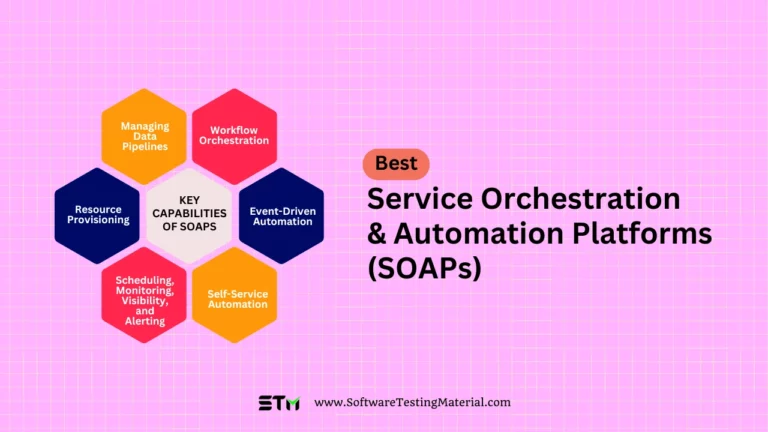
Event-driven orchestration ensures AI workflows execute automatically when required.
API-First Integration
AI ecosystems integrate with numerous platforms including data lakes, analytics engines, and cloud services.
Modern automation platforms must provide seamless API connectivity across environments.
Scalable Infrastructure Coordination
AI workloads often require elastic compute resources.
Automation must dynamically provision, scale, and manage infrastructure without manual intervention.
Intelligent Monitoring
AI workflows require continuous monitoring to detect:
- Data quality issues
- Model drift
- Performance degradation
Automation platforms enable proactive remediation.
End-to-End Workflow Visibility
Enterprise teams need visibility into entire AI pipelines—from data ingestion to production outcomes.
Unified orchestration improves governance and accountability.
Moving from Automation to Intelligent Operations
Modern automation platforms increasingly incorporate intelligence into operational workflows.
This includes:
- Automated anomaly detection
- Predictive failure analysis
- Self-healing workflows
- Performance optimization
These capabilities complement AI initiatives while improving operational resilience.
Challenges of Using Legacy Automation for AI
Legacy workload automation introduces several barriers:
Static Scheduling Models
AI requires dynamic execution rather than fixed schedules.
Infrastructure Dependency
Agent-based architectures struggle in cloud-native environments.
High Operational Overhead
Maintenance efforts reduce time available for innovation.
Integration Complexity
Connecting modern AI tools with legacy systems requires custom development.
These limitations slow enterprise AI adoption.
The Role of Orchestration in AI Lifecycle Management
Automation orchestration supports every stage of the AI lifecycle.
Data Pipeline Automation
Ensures consistent data availability and quality.
Model Deployment Automation
Accelerates movement from development to production.
Continuous Learning
Triggers model retraining based on performance metrics.
Governance and Compliance
Maintains auditability and regulatory alignment.
Automation transforms AI from experimental capability into operational reality.
Business Benefits of AI-Ready Automation
Organizations preparing automation for AI adoption achieve measurable outcomes:
- Faster AI deployment cycles
- Reduced operational risk
- Improved decision accuracy
- Higher system reliability
- Accelerated innovation timelines
Automation becomes the execution engine enabling AI-driven enterprises.
Supporting Collaboration Across AI Teams
AI initiatives require collaboration between:
- Data scientists
- IT Operations
- DevOps teams
- Business stakeholders
Automation platforms provide shared workflows and standardized processes that bridge organizational silos.
This collaboration is essential for scaling AI across departments.
AI Adoption at Enterprise Scale
Enterprise AI success depends on operational consistency.
Automation enables organizations to:
- Deploy models reliably
- Maintain production stability
- Scale experimentation safely
- Deliver measurable business outcomes
Without orchestration, AI initiatives remain isolated experiments.
Preparing for Future Intelligent Enterprises
The next phase of enterprise operations will combine:
- AI-driven insights
- Automated execution
- Hybrid cloud environments
- Real-time decision systems
Automation platforms must serve as the connective layer linking intelligence with execution.
Enterprises that modernize automation today create a foundation for autonomous operations tomorrow.
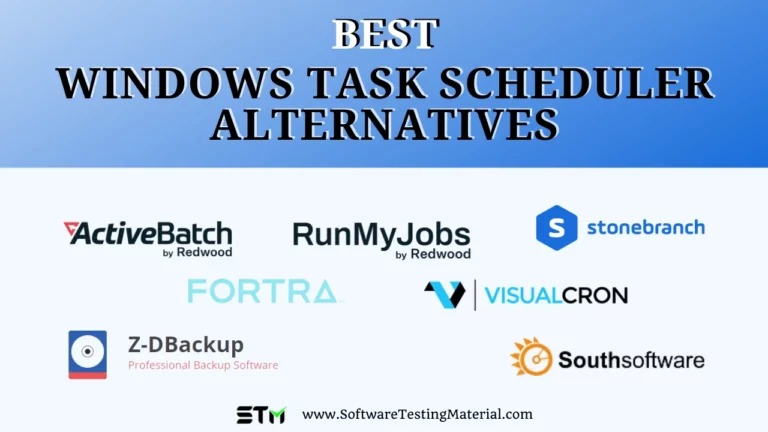
AI-driven enterprises require automation platforms capable of coordinating data pipelines, infrastructure resources, and application workflows dynamically. Modern orchestration platforms such as RunMyJobs help organizations create reliable automation foundations that support scalable AI initiatives.
Conclusion
AI adoption is no longer optional for enterprises seeking long-term competitiveness. However, successful AI transformation requires more than advanced algorithms or data investments.
Enterprise automation plays a central role in enabling scalable, reliable AI operations.
By modernizing automation platforms to support event-driven workflows, scalable orchestration, and intelligent monitoring, organizations can unlock the full potential of AI initiatives.
Preparing automation for AI adoption ensures that innovation moves beyond experimentation into sustainable enterprise value.
Frequently Asked Questions
What Is AI-Ready Enterprise Automation?
AI-ready enterprise automation refers to automation platforms capable of supporting data pipelines, event-driven workflows, scalable infrastructure coordination, and intelligent monitoring required for AI operations.
Why Automation Is Required for AI Adoption
AI initiatives depend on automation to ensure reliable data movement, model deployment, workflow execution, and continuous monitoring across enterprise environments.
Core Capabilities of AI-Ready Automation
Event-driven workflows
API-first integration
Scalable execution
Intelligent monitoring
End-to-end visibility